Interaction design involves facilitating the design around human behaviour through early visualisations and analysis in the process. Lecture 2 is about understanding the process of designing and the context for and of use.
Process:
In the process of creating an interactive product, there are
eight significant steps that can be grouped in four phases; invent, design,
engineer and presenting the final product.
The first phase invent involves in identifying the problem of a circumstance
and coming up with an idea for a solution. The second phase design is thinking
of the metaphors and the scenarios. The third phase engineering requires
creating task analysis and prototype for the product. The last phase
presentation is making manipulations to the final product and presenting it.
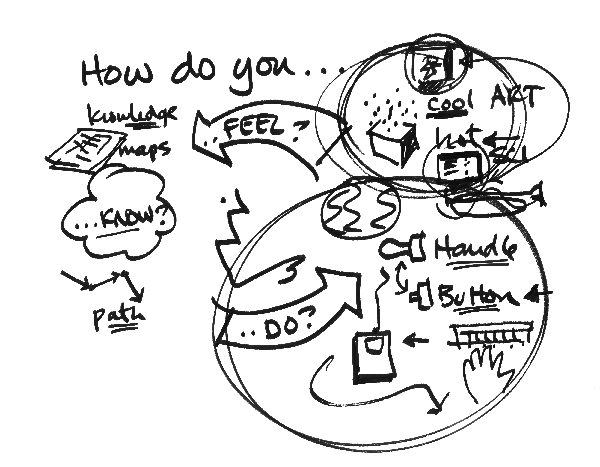
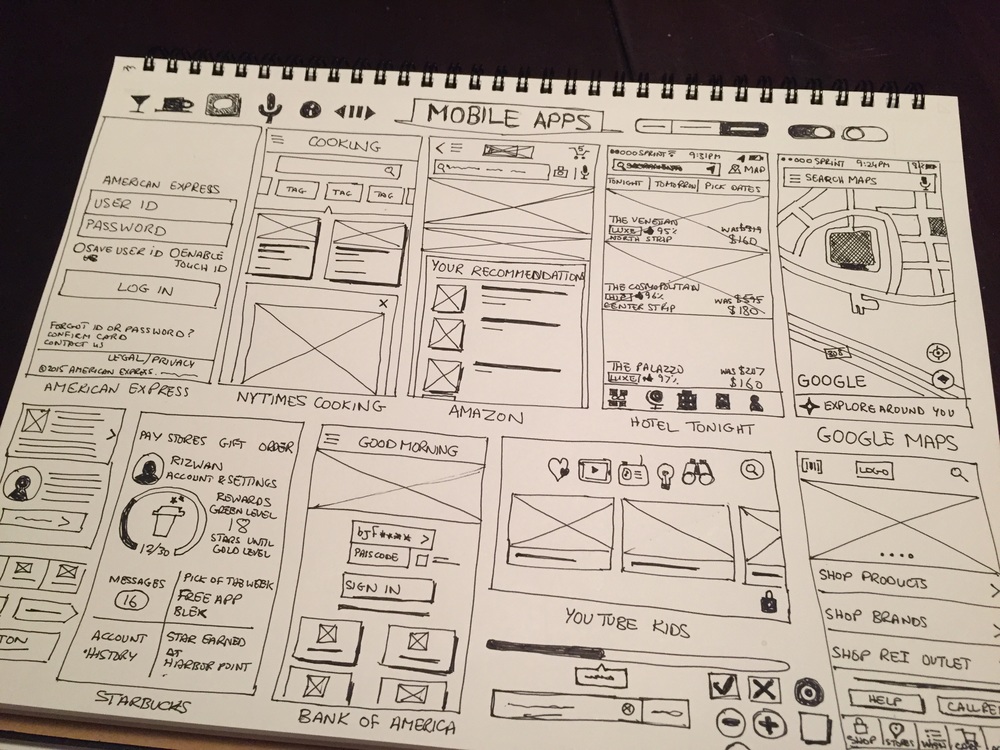
In the early stages of the design process, conducting visualisations is significant to ensure a smooth transition to the engineering phase. One of the most important tools in collecting visualisations is sketching such as flowcharts and diagrams. Another significant visualisation is putting the product in context by knowing the users. This may involve in taking surveys or creating focus groups.
Context:
Creating a successful interactive design requires an in-depth knowledge of the product’s target audience as well as the possible circumstances the interface may be used. Creating context scenarios helps analyse users’ interactions such as their needs, their possible resolution to it, the obstacles and where they may conduct this. Putting the product in context is significant in identifying how and why the context is used.
Final Thoughts
Interactive designing is the process of visualisations and research of the user experience. Analysis of and on the use on the context through scenarios is the most significant aspect in ensuring a smooth transition to a successful product.
 Journey through Interactive Design